 English
 中文简体
中文简体 日本語
日本語 Español
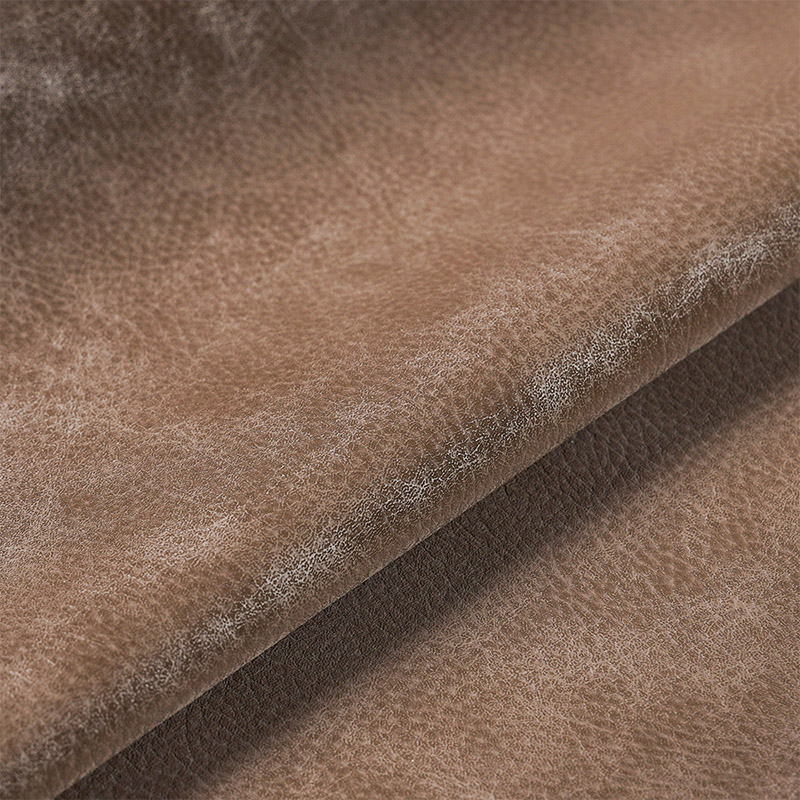
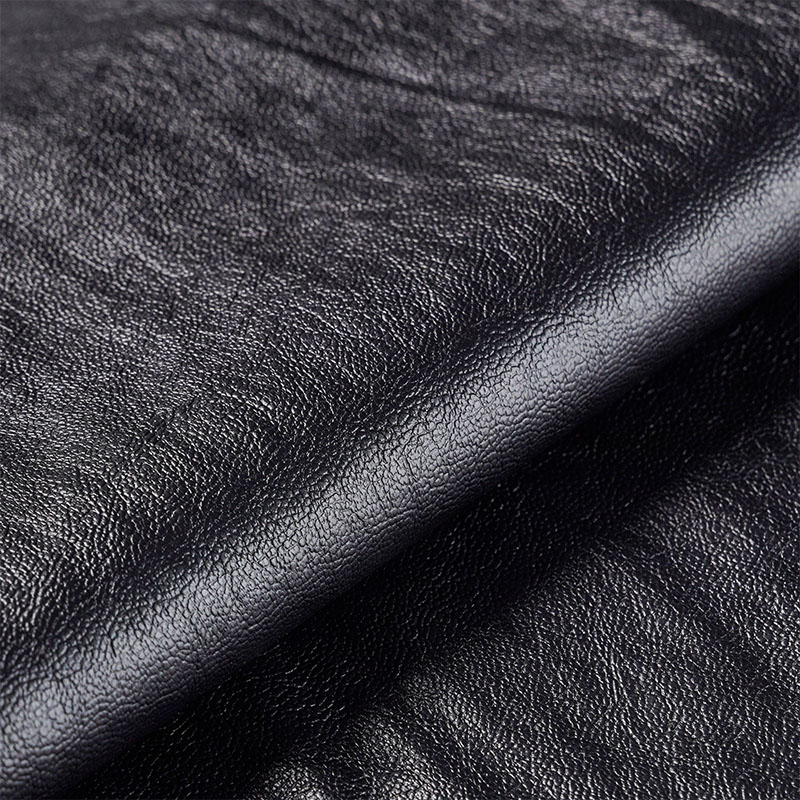
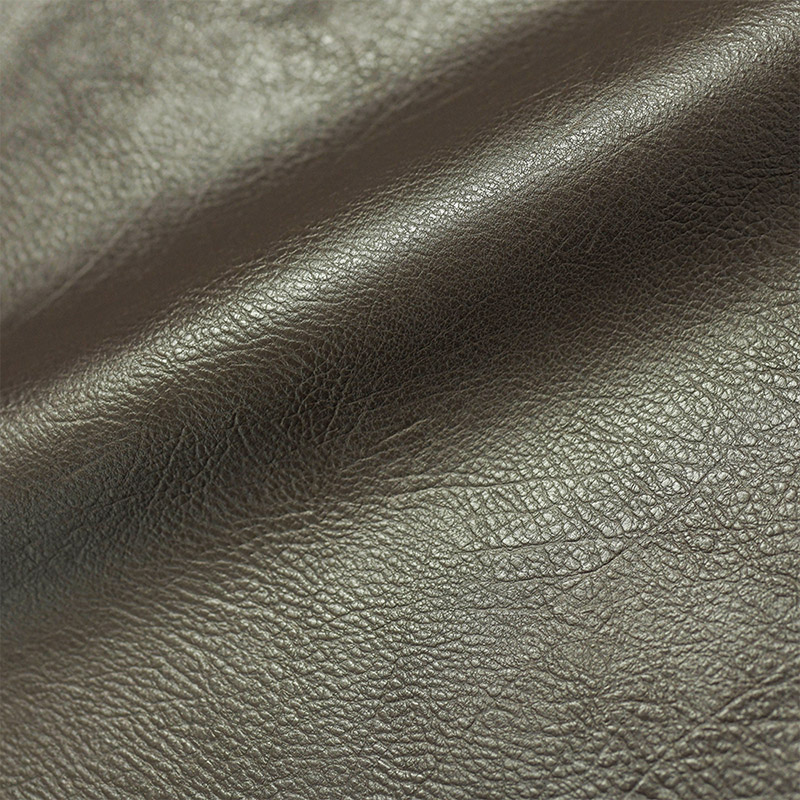
Across automotive interiors, furniture manufacturing, footwear design, and commercial upholstery, buyers are increasingly re-evaluating material choices based on durability, regulatory compliance, and long-term performance. In this context, High-Performance Synthetic Leatherette Materials have become a key focus for procurement teams and product engineers who are searching for alternatives to traditional leather that can meet stricter environmental standards and modern design expectations. Recent industry discussions also show rising interest in low-emission formulations, improved abrasion resistance, and consistent batch-to-batch color stability. As a manufacturer, we see a clear shift toward materials that combine visual realism with engineered performance, especially in applications where both aesthetics and compliance matter.
Why Material Compliance Is Now a Core Purchasing Driver
One of the strongest market trends is regulatory pressure on chemical safety in synthetic materials. Buyers are actively searching for low-VOC upholstery materials, eco-certified synthetic leather alternatives, and industrial leatherette without harmful solvents. Compliance is no longer a secondary consideration—it directly affects whether a product can enter certain markets.
Manufacturers are expected to provide clear documentation regarding material composition, emission levels, and production processes. This shift is particularly visible in automotive interiors and public transportation seating, where material certification is often required before project approval.
Durability Expectations Are Rising in Commercial Applications
In high-traffic environments such as hotels, office furniture, healthcare facilities, and retail interiors, surface wear resistance has become a critical specification. Buyers are no longer satisfied with short-term appearance retention; they expect consistent performance over extended usage cycles.
Key performance expectations include:
- Abrasion resistance under repeated contact conditions
- Resistance to cracking in low-temperature environments
- Stable surface texture after cleaning and disinfecting
- UV resistance for partially exposed applications
- Consistent color performance across production batches
These requirements are pushing manufacturers to refine coating technology and backing structures to improve overall material lifespan.
Aesthetic Realism Is Driving Product Innovation
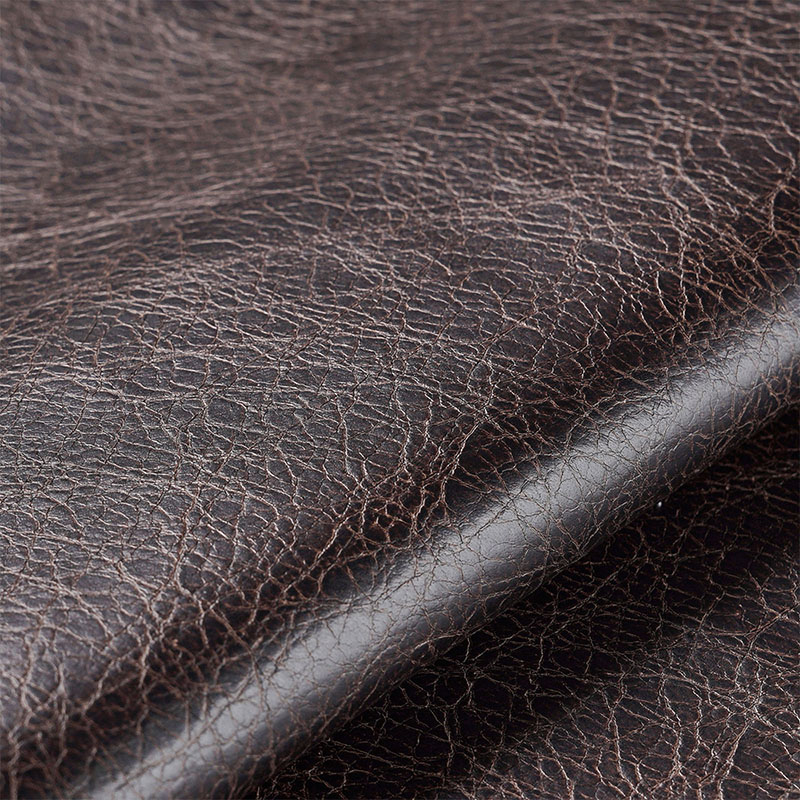
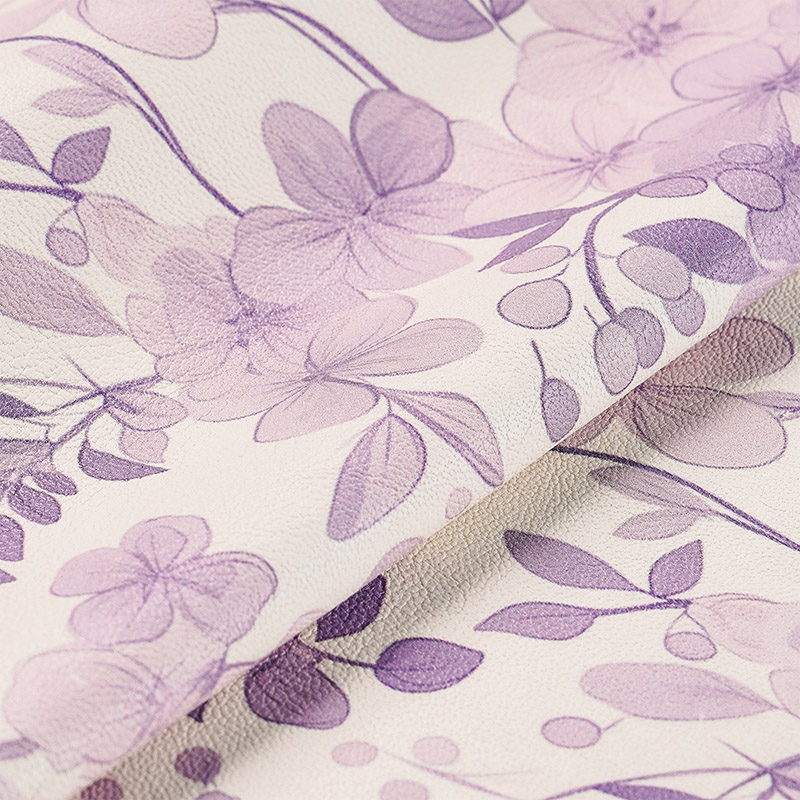
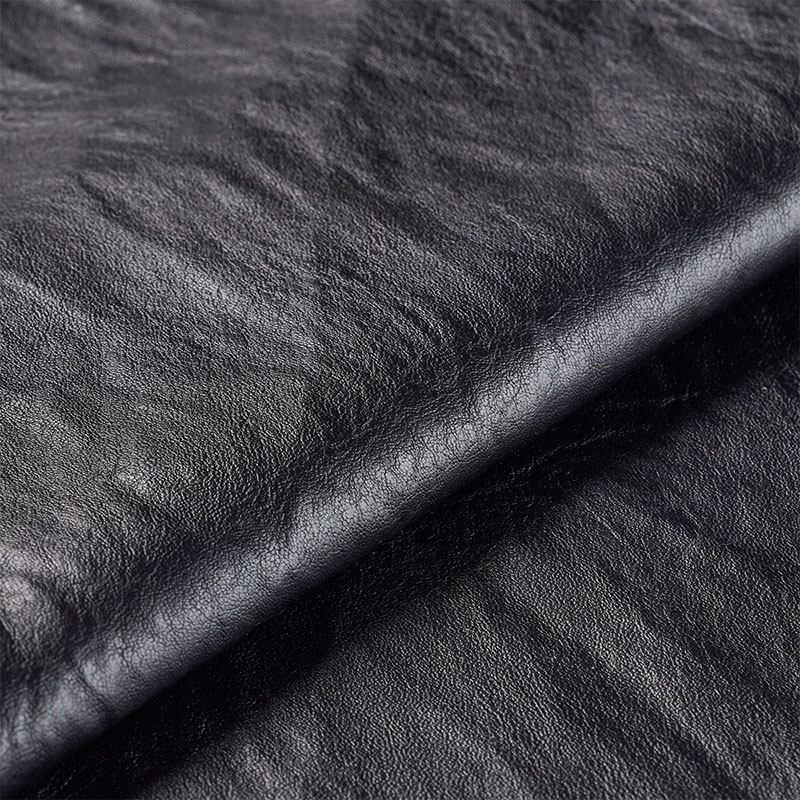
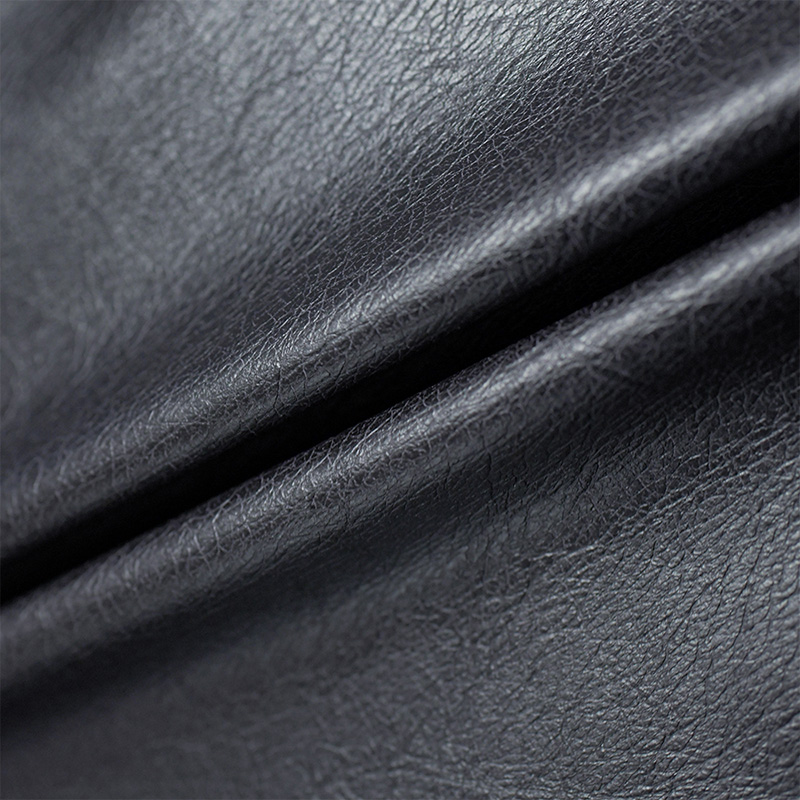
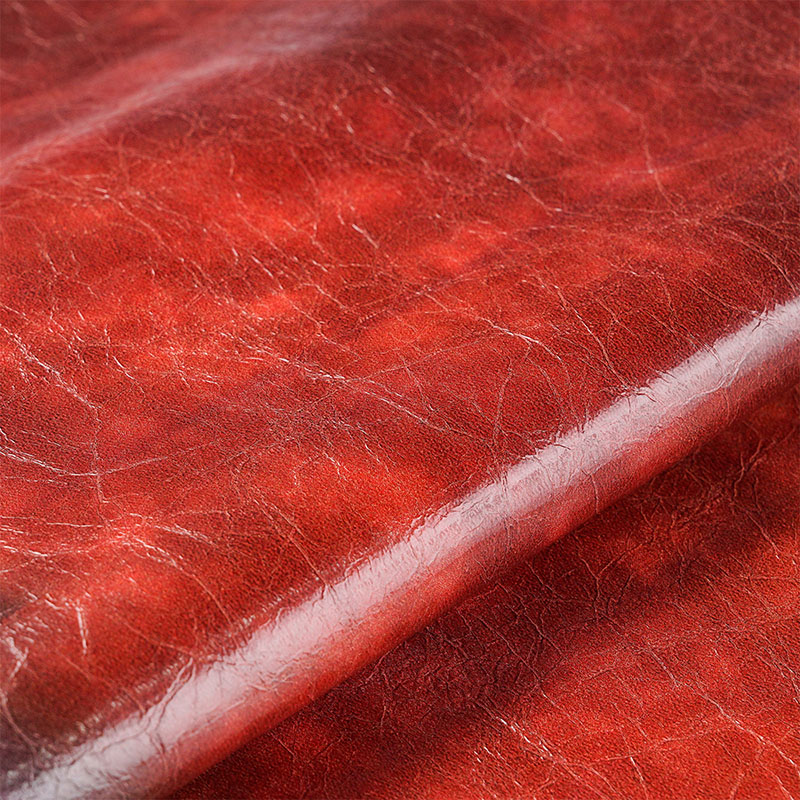
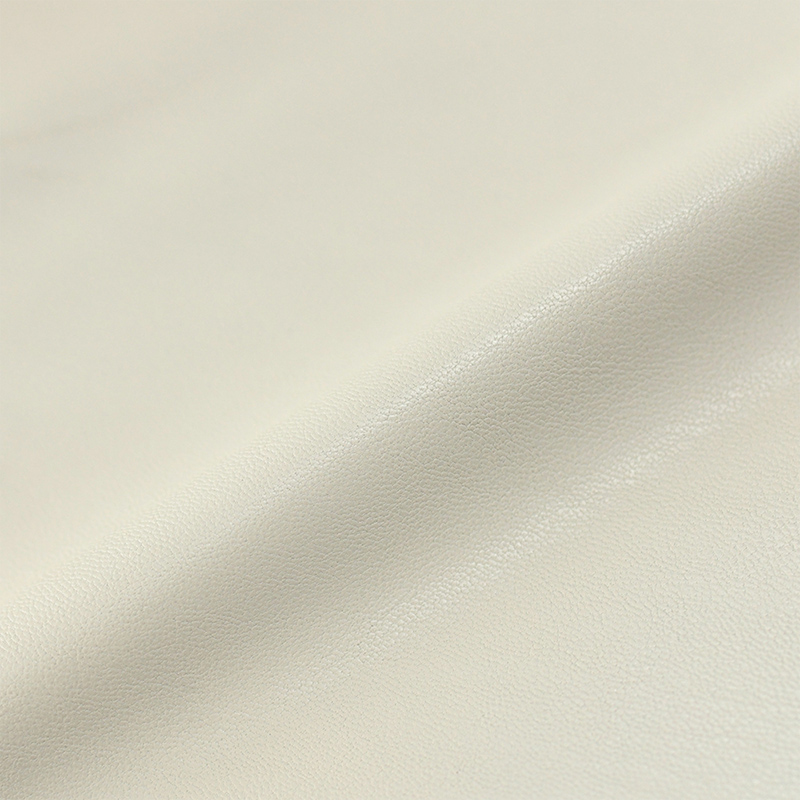
Modern design trends demand synthetic materials that closely replicate the texture, depth, and softness of genuine leather. Designers are increasingly requesting customized grain patterns, matte-to-semi-gloss finishes, and multi-layer visual depth effects.
Instead of focusing only on surface appearance, engineers now evaluate how the material behaves under folding, stretching, and long-term compression. This is especially important in automotive seating and premium furniture design, where both tactile experience and visual consistency influence purchasing decisions.
Manufacturing Stability and Batch Consistency Matter More Than Ever
For large-scale projects, inconsistency between production batches can advance to serious assembly and quality issues. Buyers frequently ask for tighter control over:
- Color deviation tolerance between batches
- Thickness uniformity across production rolls
- Adhesion stability between surface layers
- Controlled embossing pattern repeatability
As a manufacturer, we implement strict production monitoring at every stage, from raw material selection to final inspection. This helps ensure that large orders maintain uniform performance, which is critical for OEM customers working on multi-year supply contracts.
Application-Specific Customization Is Becoming Standard
Different industries now require highly tailored material properties instead of one-size-fits-all solutions. For example, automotive interiors prioritize heat resistance and low odor, while healthcare environments focus on antibacterial surface performance and easy cleaning.
Common customization requests include:
- Flame-retardant surface treatments for public transport interiors
- Enhanced elasticity for curved seating applications
- Anti-stain coatings for hospitality furniture
- Reinforced backing layers for heavy-use environments
This trend reflects a broader shift toward application-driven material engineering rather than generic product supply.
Sustainability Is Reshaping Procurement Decisions
Environmental considerations are now directly influencing material selection. Buyers are increasingly evaluating carbon footprint, solvent usage, and recyclability as part of their sourcing criteria. This is particularly relevant in European and North American markets, where regulatory frameworks continue to tighten.
Manufacturers are expected to demonstrate cleaner production processes, reduced chemical emissions, and safer alternative formulations that align with long-term sustainability goals.
From Material Supply to Engineering Partnership
The role of suppliers is evolving from simple material providers to technical partners who support product development from early design stages. Buyers now expect guidance on structure selection, surface finishing options, and performance optimization before production begins.
This collaborative approach helps reduce development cycles and improves final product performance in real-world applications.
As global industries continue to prioritize safety, durability, and environmental responsibility, the demand for reliable DMF-free leatherette solutions will continue to grow, especially in sectors where compliance and long-term performance are equally critical.